Healthcare
Clinical Laboratory Science
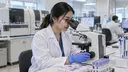
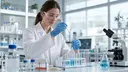
Trains students to run and interpret the diagnostic lab tests — blood work, cultures, tissue samples — that hospitals and physicians depend on, with a required clinical rotation before certification.
Where this degree leads
Start withClinical Laboratory Science
Careers this leads to
Top programs
- University of North Carolina at Chapel Hill B.S. in Clinical Laboratory Science through the School of Medicine, with rotations in UNC's hospital labs.
- University of Wisconsin-Madison B.S. in Clinical Laboratory Science with clinical training at hospital labs around the state.
- University of Minnesota B.S. in Medical Laboratory Sciences with clinical rotations across Twin Cities hospitals.
Tips
- Choose a program accredited by NAACLS. It is what qualifies you to sit for the ASCP Medical Laboratory Scientist certification exam that most employers require.
- Some states, including California, New York, and Florida, also require a state license, so check before you plan to move.
- A phlebotomy or specimen processing job during school gets you inside a hospital lab and often leads to a job offer.
- If you already have a biology or chemistry degree, look for one-year post-baccalaureate certificate programs instead of starting over.