Physician Assistants
Examines, diagnoses, and treats patients under a physician's supervision, often carrying much of the same day-to-day caseload as a doctor after completing a bachelor's degree and an accredited PA master's program.
Salary
- Entry-level
- $99,500
- Mid-career
- $136,000
- Senior
- $190,500
Source: BLS OEWS, May 2025
Job outlook
- Growth, 2025–35
- +21%
- Much faster than average
- Openings each year
- 11,500
- New jobs plus people retiring or moving on
- Jobs in 2025
- 168,900
- +35,700 by 2035
Source: BLS Employment Projections, 2025–35. Growth for all jobs is +3.5%. See the BLS profile
A day on the job
What people in this job typically spend their time doing.
- Examine patients and record their health history and exam results
- Order tests such as X-rays and lab work, then read the results
- Make a diagnosis and decide on treatment with the supervising doctor
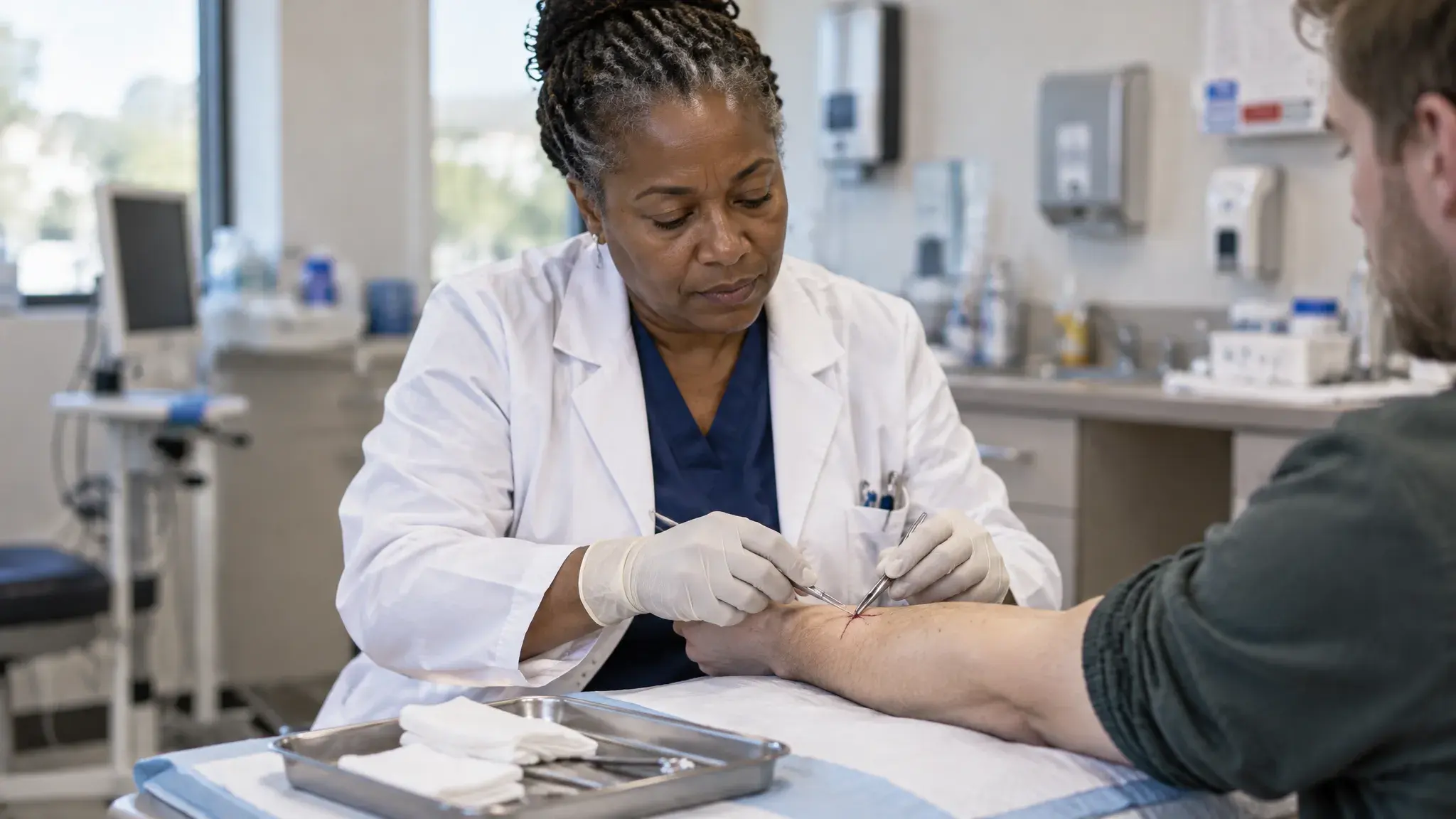
- Prescribe medicine and give shots, stitches and wound care
- Explain treatment plans and healthy habits to patients
- Refer patients to other specialists when needed
Adapted from O*NET OnLine (29-1071.00), U.S. Department of Labor, used under the CC BY 4.0 license.
Getting in
A degree is required for this career.
Recommended degrees
Progression
- PA Student (master's program)
- Certified Physician Assistant (PA-C)
- Senior PA or Specialty PA
- Lead PA, Director of Advanced Practice Providers, or Program Faculty
Where this can lead



Top Employers
- Hospitals and health systems PAs work in emergency, surgery, and inpatient care.
- Physician practices Primary care and specialty practices like dermatology and orthopedics.
- Urgent care and outpatient centers Steady schedules and broad patient care.
Networking & job search

- PA programs require hands-on patient care hours, so work as an EMT, medical assistant, or scribe before applying.
- Shadow PAs in different specialties to see which fits you and to earn strong recommendation letters.
- The American Academy of Physician Associates (AAPA) and state PA groups host conferences and job boards.
Example trajectories
Chris
Biology degree → ER scribe and EMT → PA program → emergency medicine PA → lead PA for a hospital ER group.
Samira
Health sciences degree → medical assistant → PA program → dermatology PA, 6 years in.