Forensic Science Technicians
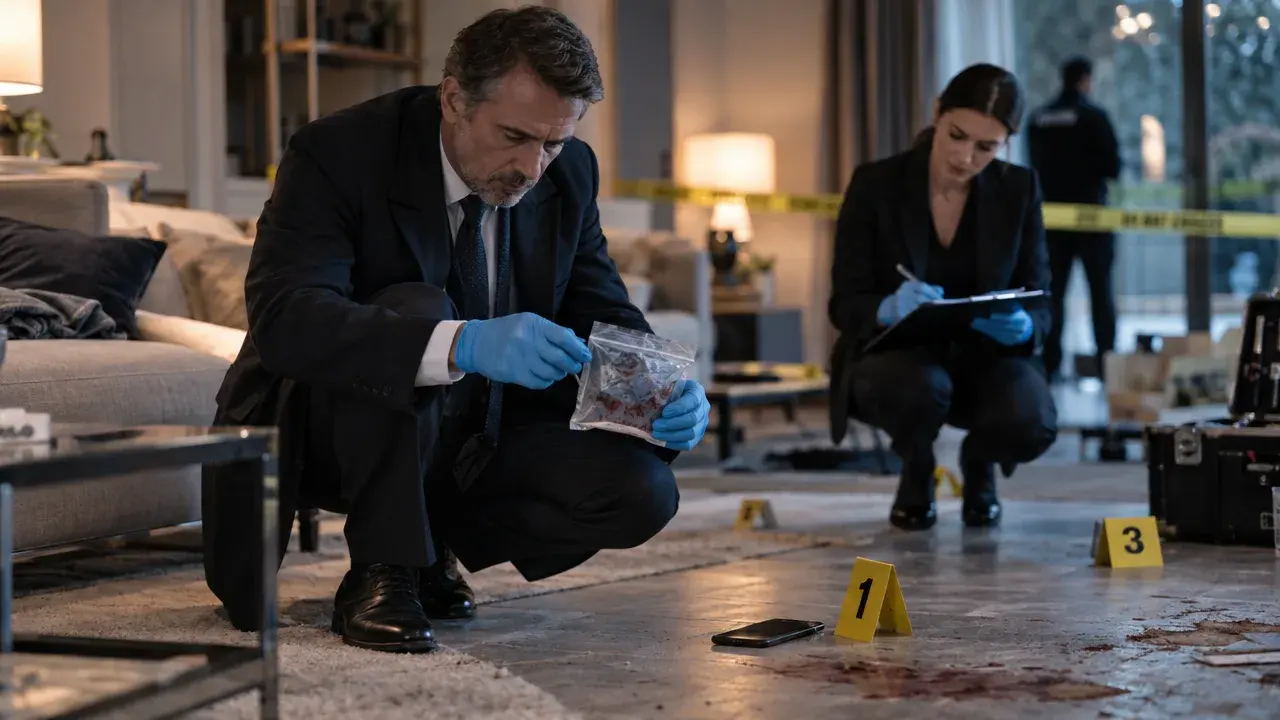
Collects and analyzes physical evidence from crime scenes — fingerprints, DNA, trace materials — in a crime lab or in the field, translating lab science into evidence that holds up in court.
Salary
- Entry-level
- $48,500
- Mid-career
- $72,000
- Senior
- $117,500
Source: BLS OEWS, May 2025
Job outlook
- Growth, 2025–35
- +13%
- Much faster than average
- Openings each year
- 2,800
- New jobs plus people retiring or moving on
- Jobs in 2025
- 20,100
- +2,700 by 2035
Source: BLS Employment Projections, 2025–35. Growth for all jobs is +3.5%. See the BLS profile
A day on the job
What people in this job typically spend their time doing.
- Collect and safely store evidence from crime scenes
- Photograph, measure and sketch crime scenes
- Analyze evidence such as fingerprints, hair, fibers and fluids in the lab
- Run and maintain lab equipment
- Write reports on findings and lab methods
- Testify in court about evidence and how it was tested
Adapted from O*NET OnLine (19-4092.00), U.S. Department of Labor, used under the CC BY 4.0 license.
Getting in
A degree is required for this career.
Recommended degrees
Progression
- Forensic Technician Trainee
- Forensic Science Technician
- Senior Forensic Analyst
- Crime Lab Supervisor
Where this can lead
Top Employers
- State and local crime labs The most common employer, processing evidence for police departments across a whole region or state rather than a single agency.
- Federal Bureau of Investigation (FBI) FBI lab positions handle high-profile and interstate cases, with a competitive federal hiring process and pay that outpaces most state labs.
- Medical examiner / coroner's offices Working alongside forensic pathologists on death investigations, this setting focuses more on autopsy-related evidence than crime-scene processing.
Networking & job search

- The American Academy of Forensic Sciences runs a student affiliate program with access to its annual conference, the field's main professional gathering.
- Crime labs weight chemistry and biology coursework heavily alongside criminal justice classes — a strong lab science background is often what separates competitive applicants.
- Many state and local crime labs offer summer internships specifically for undergraduates; apply a year ahead, since these programs are small and fill early.
Example trajectories
Oscar
Criminal justice degree with a chemistry minor → intern at a state crime lab → forensic science technician processing evidence for a metro police department, 3 years in.