Agriculture & Environment
Environmental Science
Environmental science studies how natural systems — water, air, soil, ecosystems — interact with human activity, combining fieldwork, lab analysis, and policy to address pollution, conservation, and climate questions.
Where this degree leads
Start withEnvironmental Science
Careers this leads to
Top programs
- University of California, Berkeley Top-ranked environmental science program with access to diverse field sites along the California coast and Sierra Nevada.
- University of Michigan Strong interdisciplinary program spanning ecology, policy, and environmental engineering, with a well-connected School for Environment and Sustainability.
- Colorado State University Excellent access to fieldwork in the Rockies and strong ties to federal land-management and water agencies.
Tips
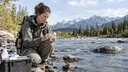
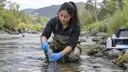
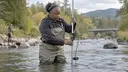
- Get outside the classroom early — volunteer water-quality monitoring or a conservation corps summer builds the fieldwork resume employers actually look for.
- Pair the degree with a GIS (geographic information systems) course or certificate; nearly every environmental job now involves mapping and spatial data.
- Internships with a state environmental agency, EPA regional office, or environmental consulting firm are the most common route to a first job.
- Don't underestimate the value of a strong chemistry and statistics foundation — most environmental science jobs involve interpreting lab and monitoring data, not just being outdoors.