Urban & Regional Planners
Develops land-use plans and policy recommendations for cities and counties, weighing growth, zoning, transportation, and community input to shape how a place develops over time.
Salary
- Entry-level
- $60,000
- Mid-career
- $89,500
- Senior
- $134,500
Source: BLS OEWS, May 2025
Job outlook
- Growth, 2025–35
- +4%
- As fast as average
- Openings each year
- 3,200
- New jobs plus people retiring or moving on
- Jobs in 2025
- 45,800
- +1,800 by 2035
Source: BLS Employment Projections, 2025–35. Growth for all jobs is +3.5%. See the BLS profile
A day on the job
What people in this job typically spend their time doing.
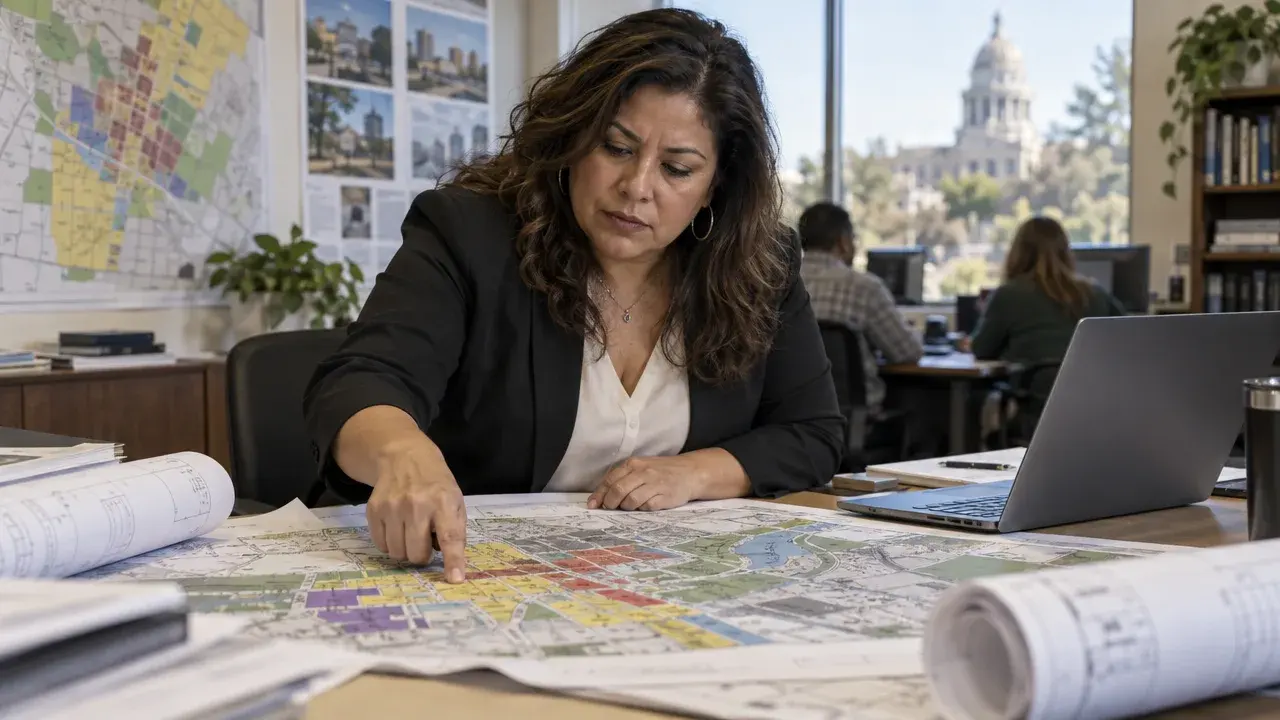
- Research how population, traffic, and housing affect land use
- Review development proposals and recommend approving or denying them
- Hold public meetings with residents, officials, and developers
- Make maps, charts, and reports that explain planning studies
- Advise officials on whether projects are practical and follow zoning rules
- Visit sites and run surveys to gather information for plans
Adapted from O*NET OnLine (19-3051.00), U.S. Department of Labor, used under the CC BY 4.0 license.
Getting in
A degree is required for this career.
Recommended degrees
Progression
- Planning Technician or Planning Intern
- Planner (often with a master's in planning)
- Senior Planner or Project Manager
- Planning Director or Community Development Director
Where this can lead

Top Employers
- City and county planning departments Employ most planners, handling zoning, permits, and long-range plans.
- Regional and state agencies Work on transportation, housing, and environmental plans that span many communities.
- Planning and engineering consulting firms (e.g. AECOM, Kimley-Horn) Prepare plans and studies for public and private clients, often with higher pay.
Networking & job search

- Most planner jobs ask for a master's from a program accredited by the Planning Accreditation Board; pick one with strong local ties to where you want to work.
- The American Planning Association (APA) and its state chapters run conferences, job boards, and the AICP certification for experienced planners.
- Learn GIS and get comfortable presenting at public meetings — those two skills come up in almost every planning interview.
Example trajectories
Geography degree → planning intern for a county → master's in urban planning → transportation planner → senior planner at a regional planning agency.
Architecture degree → planner at a consulting firm working on downtown redevelopment → community development director for a small city.