Agricultural Workers
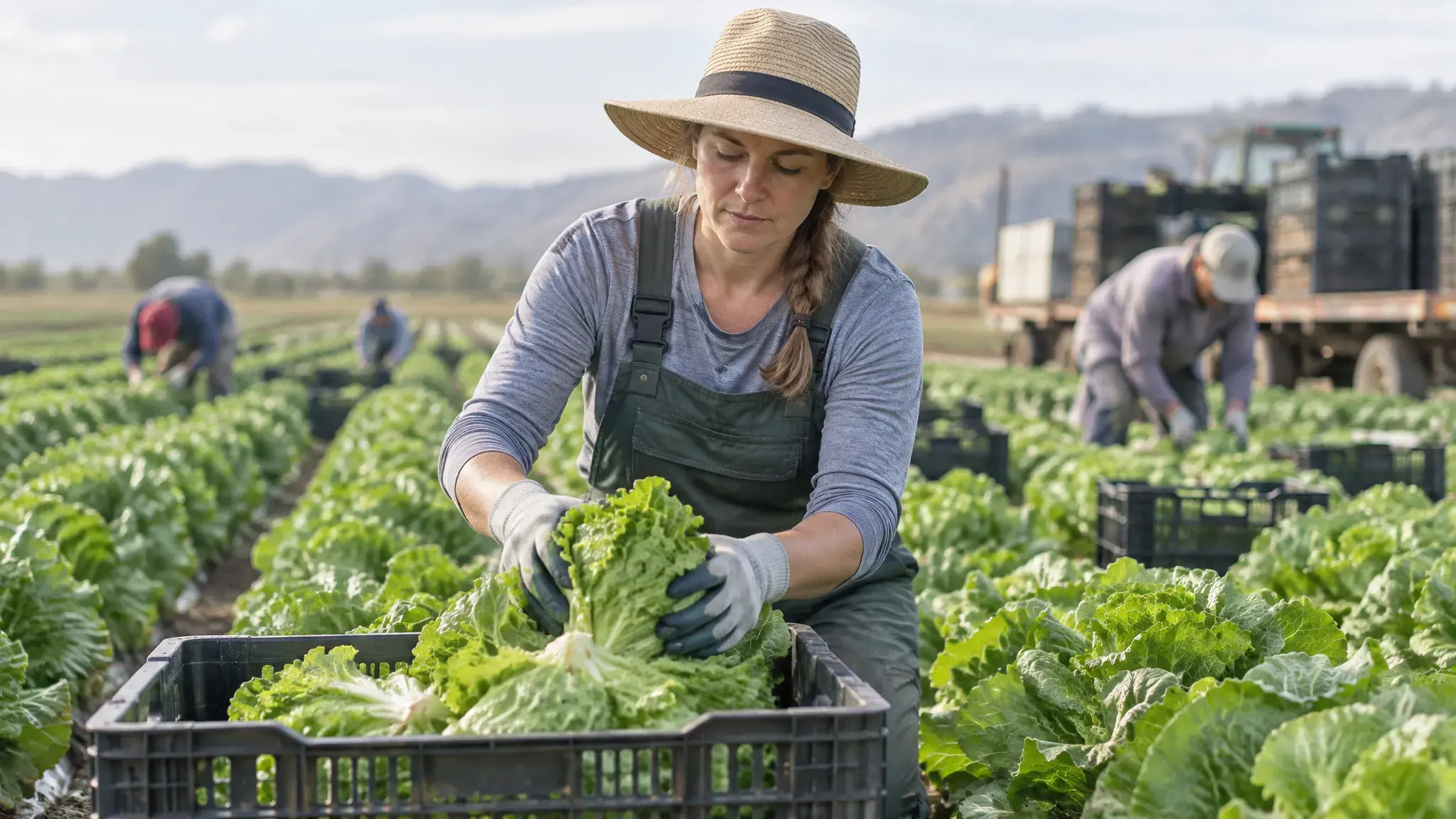
Plants, tends, and harvests crops or cares for livestock on farms and ranches — physically demanding, often seasonal outdoor work that keeps the country's food supply moving.
Salary
- Entry-level
- $31,500
- Mid-career
- $36,000
- Senior
- $48,000
Source: BLS OEWS, May 2025
Job outlook
- Growth, 2025–35
- −2%
- Decline
- Openings each year
- 111,500
- New jobs plus people retiring or moving on
- Jobs in 2025
- 831,900
- −13,300 by 2035
Source: BLS Employment Projections, 2025–35. Growth for all jobs is +3.5%. See the BLS profile
A day on the job
What people in this job typically spend their time doing.
- Plant, check and harvest crops
- Water fields and maintain irrigation ditches, pipes and pumps
- Drive and maintain tractors and other farm machinery
- Spray fertilizer or pesticides to control pests and weeds
- Feed livestock, clean their pens and check them for sickness or injury
- Move animals to pastures, scales or trucks
Adapted from the BLS Occupational Outlook Handbook, U.S. Bureau of Labor Statistics.
Getting in
No degree or formal credential is required — most agricultural workers learn on the job, and experience with specific equipment or livestock is what drives higher pay and steadier work.
Progression
- Farm Worker / Laborer
- Crew Lead
- Farm Equipment Operator / Crew Supervisor
Where this can lead
Top Employers
- Large produce and crop farms The biggest source of seasonal and year-round field work, with pay often tied to piece-rate harvest quotas.
- Livestock operations and ranches Year-round animal care work tends to pay more steadily than seasonal crop labor, though the hours are demanding.
- Agricultural staffing agencies Labor contractors place workers across multiple farms during harvest season — more total hours are possible, but with less stability at any one operation.
Networking & job search

- Local farm labor contractors and county extension offices are usually the most direct way to find steady seasonal or year-round agricultural work.
- State Farm Bureau job boards and agricultural staffing agencies post seasonal harvest and livestock positions that often lead to permanent crew roles.
- Building a reputation with one farm or ranch operation over multiple seasons is the most common way workers move into equipment-operator or crew-lead roles.
Example trajectories
Luis
Seasonal harvest crew worker → year-round farm laborer on a produce operation → equipment operator and crew lead, 6 years in.