Zoologists & Wildlife Biologists
Studies animal behavior, populations, and habitats in the field and lab, often working for a wildlife agency, university, or conservation nonprofit to inform species management and habitat protection.
Salary
- Entry-level
- $49,000
- Mid-career
- $77,000
- Senior
- $126,500
Source: BLS OEWS, May 2025
Job outlook
- Growth, 2025–35
- +4%
- As fast as average
- Openings each year
- 1,400
- New jobs plus people retiring or moving on
- Jobs in 2025
- 19,500
- +700 by 2035
Source: BLS Employment Projections, 2025–35. Growth for all jobs is +3.5%. See the BLS profile
A day on the job
What people in this job typically spend their time doing.
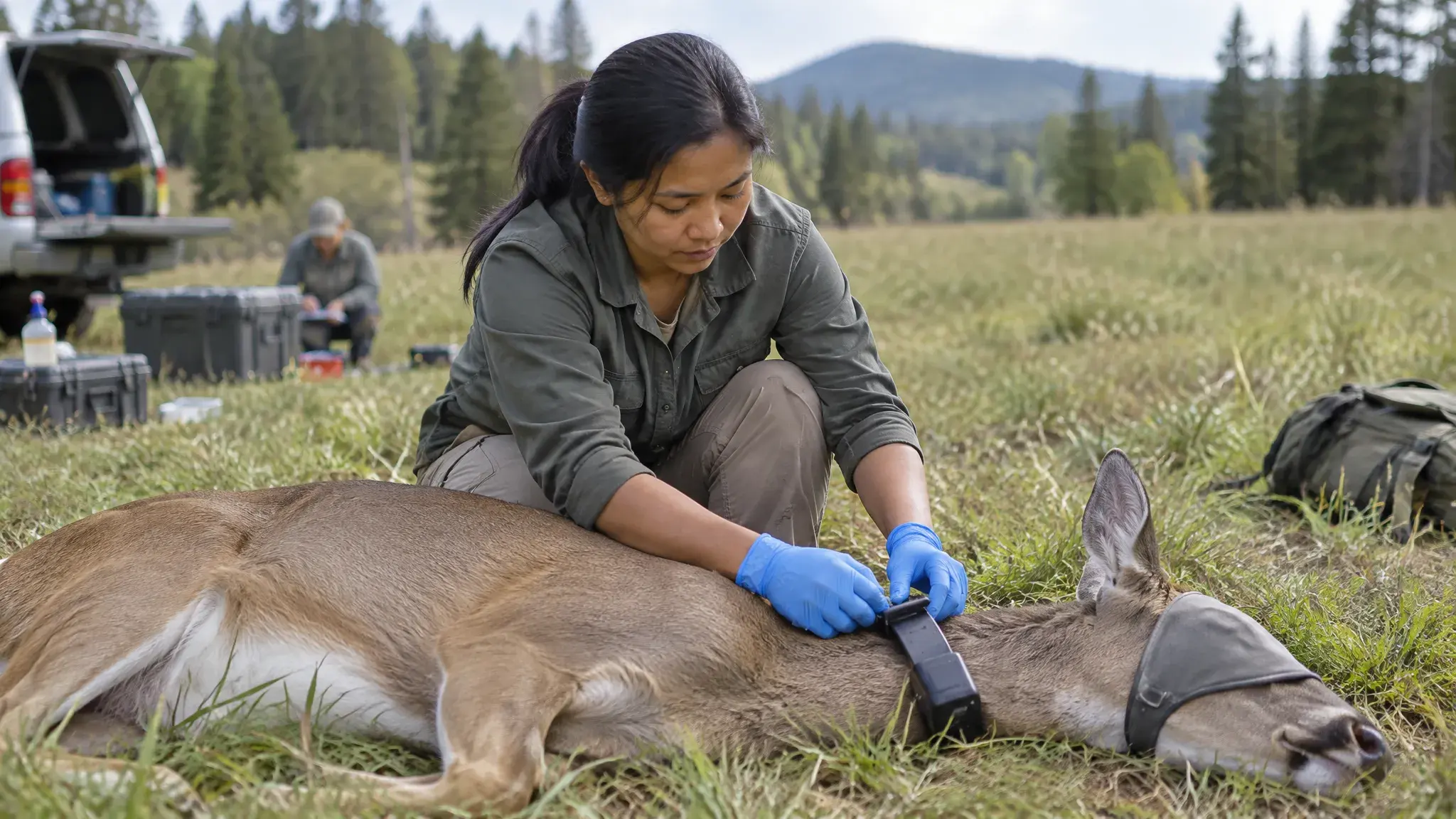
- Count or estimate animal and plant populations in the field
- Observe animals in their habitats and study how people affect them
- Design and run experiments with live animals
- Collect and examine animal specimens in the lab
- Track wildlife and map habitats with mapping software and drones
- Write reports and give talks to share findings with the public and agencies
Adapted from O*NET OnLine (19-1023.00), U.S. Department of Labor, used under the CC BY 4.0 license.
Getting in
A degree is required for this career.
Recommended degrees
Progression
- Field Technician (often seasonal)
- Wildlife Biologist (usually with a master's)
- Senior Biologist or Project Lead
- Program Manager or Research Director
Where this can lead


Top Employers
- State wildlife and natural resources agencies Manage game and nongame species, set hunting and fishing rules, and run habitat programs.
- Federal agencies (e.g. U.S. Fish and Wildlife Service, USGS) Run endangered species recovery, refuges, and long-term wildlife research.
- Environmental consulting firms and conservation nonprofits Consultants survey wildlife for development permits; nonprofits run research and habitat protection.
Networking & job search

- Stack up seasonal field-technician jobs — bird surveys, telemetry, fisheries work — since hiring managers weigh field experience heavily.
- The Wildlife Society's student chapters and conferences, and its Associate Wildlife Biologist certification, are the profession's main network.
- A master's degree is the usual ticket to permanent biologist roles; pick a graduate advisor whose former students now work where you want to.
Example trajectories
Wildlife biology degree → three seasonal tech jobs tracking songbirds and bats → master's on black bear habitat → state wildlife agency biologist, 7 years in.
Zoology degree → keeper at a zoo → research associate in the zoo's conservation program → field coordinator for a species-recovery project.