Veterinarians
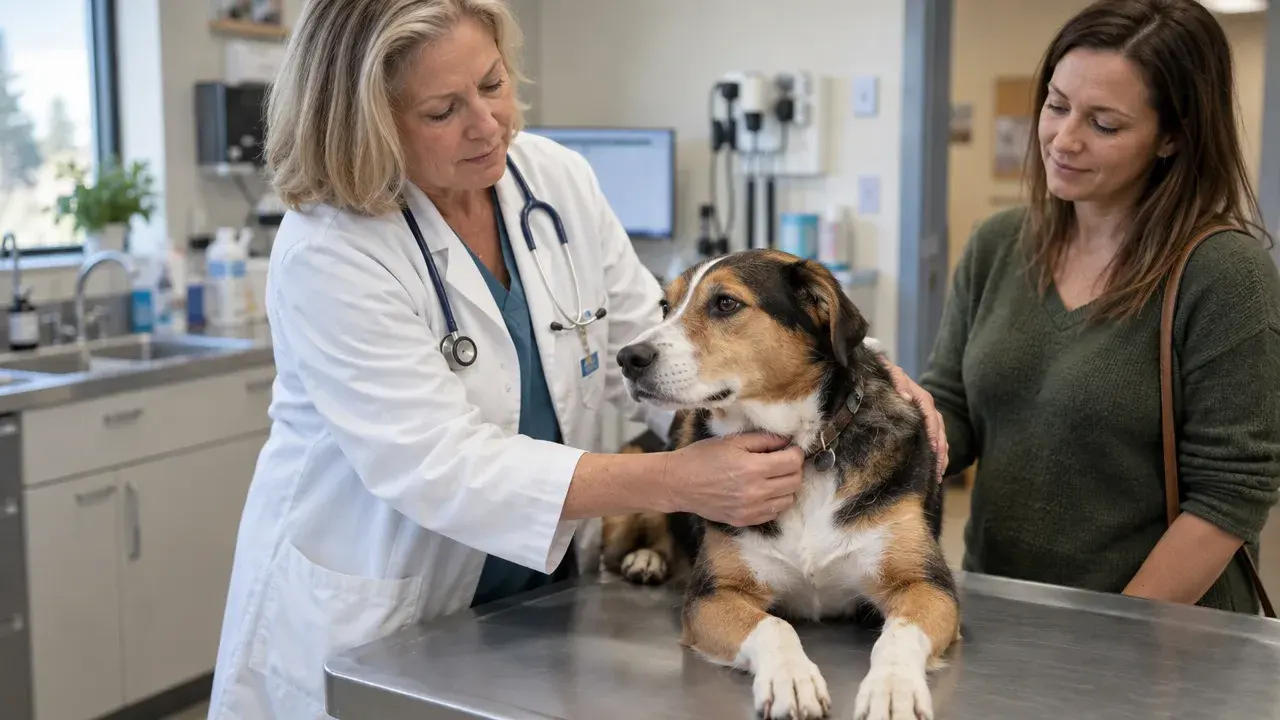
Diagnoses and treats illness and injury in companion animals, livestock, or wildlife, running an independent or group practice after a bachelor's degree and a Doctor of Veterinary Medicine program.
Salary
- Entry-level
- $74,000
- Mid-career
- $130,000
- Senior
- $215,500
Source: BLS OEWS, May 2025
Job outlook
- Growth, 2025–35
- +9%
- Much faster than average
- Openings each year
- 3,100
- New jobs plus people retiring or moving on
- Jobs in 2025
- 91,100
- +8,600 by 2035
Source: BLS Employment Projections, 2025–35. Growth for all jobs is +3.5%. See the BLS profile
A day on the job
What people in this job typically spend their time doing.
- Examine animals to find out what illness or injury they have
- Treat sick or injured animals with medicine, wound care or surgery
- Give vaccines against diseases like rabies and distemper
- Take X-rays or ultrasounds and collect blood or other samples for testing
- Advise owners on feeding, care and treatment options
- Supervise staff and handle clinic business like scheduling and records
Adapted from O*NET OnLine (29-1131.00), U.S. Department of Labor, used under the CC BY 4.0 license.
Getting in
A degree is required for this career.
Recommended degrees
Progression
- Veterinary Student (4-year DVM program after a bachelor's)
- Associate Veterinarian (sometimes after a one-year internship)
- Senior Associate or Board-Certified Specialist (after residency)
- Practice Owner, Medical Director, or Public-Health Veterinarian
Where this can lead



Top Employers
- Private veterinary practices Where most veterinarians work, from small-animal clinics to large-animal and mixed practices.
- Corporate veterinary groups (e.g. Mars Veterinary Health, NVA) Own thousands of clinics; offer mentorship, benefits, and sign-on bonuses for new graduates.
- Government and research (e.g. USDA, universities, pharma) Veterinarians work on food safety, disease control, and animal research, with more regular hours.
Networking & job search

- Vet schools weigh hands-on animal and clinical hours heavily, so start shadowing veterinarians in high school or college and track your hours.
- Student chapters of the American Veterinary Medical Association (SAVMA) and specialty clubs connect you with practices that hire new graduates.
- Externships during your final year of vet school are effectively job interviews — choose practices you'd actually want to join.
Example trajectories
Animal science degree → DVM → associate at a small-animal practice → bought into the practice as partner, 8 years in.
Biology degree → DVM → mixed-animal practice in a rural county → USDA veterinary medical officer working on livestock disease.