Umpires, Referees & Sports Officials
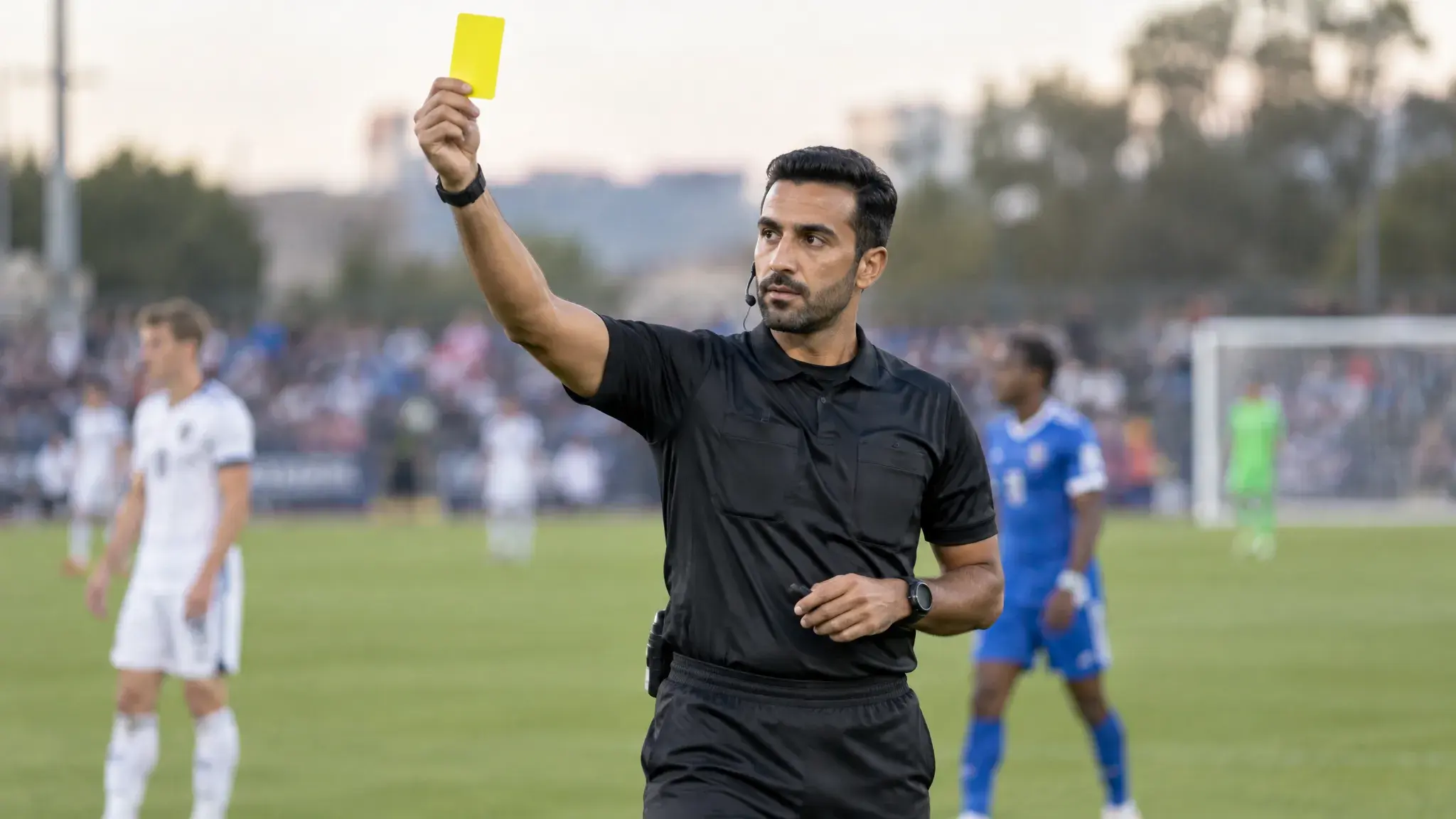
Officiates games and matches at the youth, school, college, or professional level, enforcing rules and making real-time calls under pressure from players, coaches, and fans.
Salary
- Entry-level
- $26,500
- Mid-career
- $40,500
- Senior
- $83,000
Source: BLS OEWS, May 2025
Job outlook
- Growth, 2025–35
- +5%
- Faster than average
- Openings each year
- 4,300
- New jobs plus people retiring or moving on
- Jobs in 2025
- 18,200
- +900 by 2035
Source: BLS Employment Projections, 2025–35. Growth for all jobs is +3.5%. See the BLS profile
A day on the job
What people in this job typically spend their time doing.
- Officiate games and matches and enforce the rules of play
- Signal fouls and penalties to players and other officials
- Check fields, courts, and equipment for safety before play
- Settle rule disputes and complaints from players and coaches
- Keep track of game time, scores, and records
- Report incidents and penalties to the league or governing body
Adapted from O*NET OnLine (27-2023.00), U.S. Department of Labor, used under the CC BY 4.0 license.
Getting in
Officials typically advance through certification programs and sport-specific associations, working up from youth and amateur leagues rather than a required degree.
Progression
- Youth or Recreational League Official
- High School Official
- College or Semi-Professional Official
- Professional Official or Officiating Supervisor
Where this can lead


Top Employers
- State high school athletic associations and local assigners Assign most games; officiating is usually part-time, paid per game.
- College athletic conferences Hire experienced officials for college games, with higher pay per game.
- Professional leagues The few full-time officiating jobs, reached after years of evaluation in lower levels.
Networking & job search

- Register with your state high school athletic association or sport's governing body; they run the trainings and assign most games.
- Join a local officials' association — experienced officials mentor newcomers and recommend them for bigger games.
- Ask assigners and observers for feedback after games and act on it; advancement depends on evaluations.
Example trajectories
Youth soccer referee as a teenager → high school referee → college referee → assessor training new officials.
Former college basketball player → high school basketball official → officiates Division I women's games while working full-time in sales.