Plumber
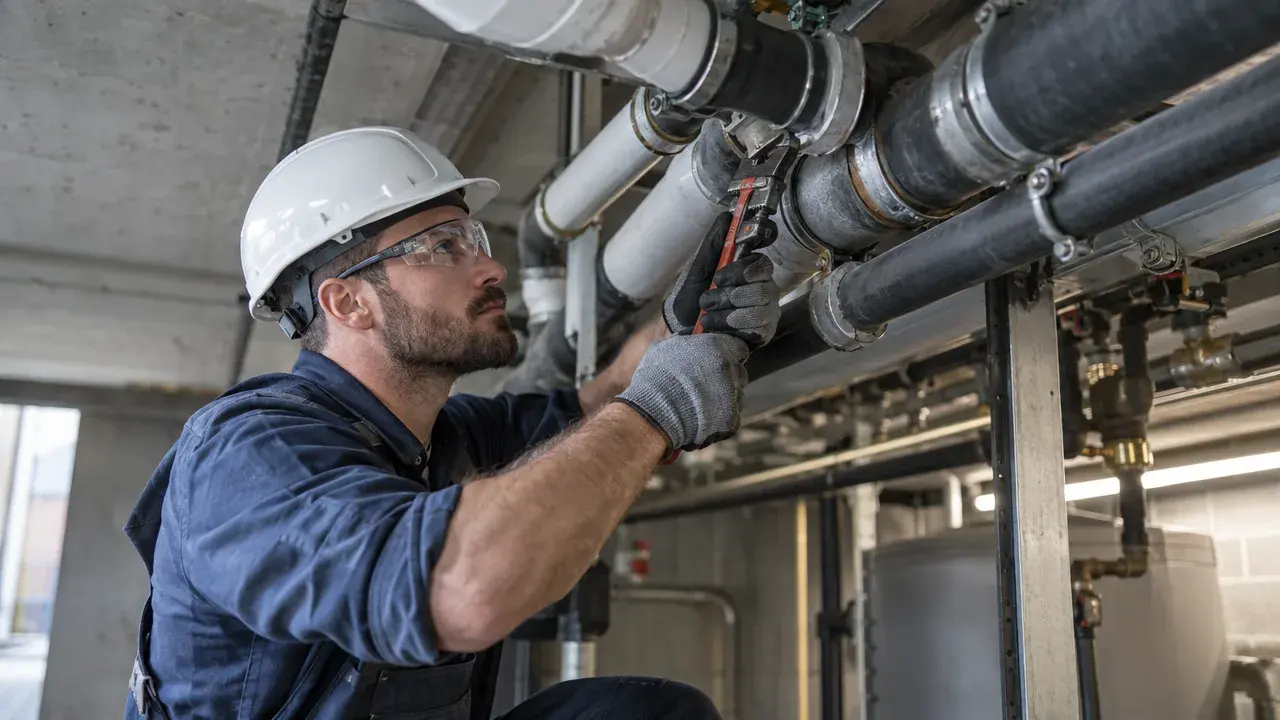
Installs and repairs the pipes, fixtures, and water systems in homes and buildings — physically demanding, well-paid trade work that can lead to running your own business.
Salary
- Entry-level
- $44,000
- Mid-career
- $64,000
- Senior
- $108,500
Source: BLS OEWS, May 2025
Job outlook
- Growth, 2025–35
- +7%
- Much faster than average
- Openings each year
- 42,000
- New jobs plus people retiring or moving on
- Jobs in 2025
- 510,600
- +34,500 by 2035
Source: BLS Employment Projections, 2025–35. Growth for all jobs is +3.5%. See the BLS profile
A day on the job
What people in this job typically spend their time doing.
- Read blueprints and building codes to plan each job
- Measure and mark where pipes and fixtures will go
- Cut, bend and join pipes
- Install sinks, water heaters, valves and other fixtures
- Test new pipes for leaks using water, air and gauges
- Shut off water or gas lines before making repairs
Adapted from O*NET OnLine (47-2152.00), U.S. Department of Labor, used under the CC BY 4.0 license.
Residential or commercial
The same trade can look quite different in a house than on a big job site.
Residential
Houses and apartments
- Water, drain and gas lines in copper, steel and plastic pipe that one or two plumbers can install
- Much of the work is service and repair: leaks, clogs and water heaters
- About 1 in 12 plumbers are self-employed
Commercial
Offices, hospitals and plants
- Large steel pipe systems that usually take a crew of pipefitters to install
- Specialties include steamfitters (high-pressure steam), sprinklerfitters and gasfitters
- Heating and cooling piping in large office buildings
Most states license plumbers, and a 4- or 5-year apprenticeship is the usual route.
Adapted from the BLS Occupational Outlook Handbook. BLS does not publish separate pay for home and commercial work.
Union or non-union
How common unions are varies a lot by trade and by state. Joining one changes how you train, find work and get paid.
- Union members
- 16.4%
- of construction trade workers, vs 5.9% across the private sector
- Union, median weekly pay
- $1,561
- Full-time union members
- Non-union, median weekly pay
- $1,004
- Full-time workers not in a union
Union
United Association (UA), the plumbers, pipefitters and service techs union
- Train in a registered apprenticeship run jointly by the union and its contractors, paid on the job
- Get sent to jobs from the union's referral list (the hiring hall), so work can follow you from one contractor to the next
- Pay, raises, health coverage and usually a pension are set by a contract
- Pay union dues, and between jobs you may wait your turn on the out-of-work list
Non-union
Often called merit shop or open shop
- Train through a contractor group such as Associated Builders and Contractors, a company program, a trade school or on the job
- Get hired directly by a contractor, with no hall or list to wait on
- Pay and benefits are set by each employer, so they vary more from shop to shop
- No dues; raises and promotions depend on the employer and your own record
Membership and pay are for all construction and extraction occupations in BLS Union Members, 2025 (earnings table), not this trade alone. Part of the pay gap reflects where union jobs are, which varies a lot by state and type of project, so compare real offers where you live. Also see Associated Builders and Contractors.
Getting in
A 4-5 year apprenticeship (union or non-union) combining paid on-the-job training with classroom instruction, leading to a journeyman license — no college degree required.
Progression
- Apprentice Plumber
- Journeyman Plumber
- Master Plumber
- Plumbing Contractor (own business)
Where this can lead


Top Employers
- Residential and commercial plumbing contractors The vast majority of plumbing jobs — ranges from small local outfits to larger regional companies with dozens of trucks.
- UA union apprenticeship programs Union plumbers generally see higher wages and better benefits than non-union shops, especially on large commercial and industrial projects.
- New-construction homebuilders Large homebuilders hire plumbing crews directly for new-home development, offering more predictable schedules than emergency service calls.
Networking & job search

- Local plumbers' union (UA) apprenticeship programs place you with an employer while you train — apply directly.
- Ask a plumbing company for a short ride-along before you commit to a program — most are willing, and it's the clearest way to know if you'll like the work.
- Trade licensing exams are region-specific — connect with a local trade school early to understand exactly what your state requires.
Example trajectories
Out of high school → 5-year UA apprenticeship → journeyman plumber → master plumber running a two-person residential business, 9 years in.