Photographers
Shoots and edits photographs for clients or publications — weddings and portraits, commercial and product work, photojournalism, or fine-art prints — usually as a freelancer or small-studio owner rather than a salaried employee.
Salary
- Entry-level
- $31,000
- Mid-career
- $44,500
- Senior
- $92,000
Source: BLS OEWS, May 2025
Job outlook
- Growth, 2025–35
- −1%
- Decline
- Openings each year
- 10,700
- New jobs plus people retiring or moving on
- Jobs in 2025
- 145,000
- −1,000 by 2035
Source: BLS Employment Projections, 2025–35. Growth for all jobs is +3.5%. See the BLS profile
A day on the job
What people in this job typically spend their time doing.
- Talk with clients about what a shoot needs, where it happens and what gear to bring
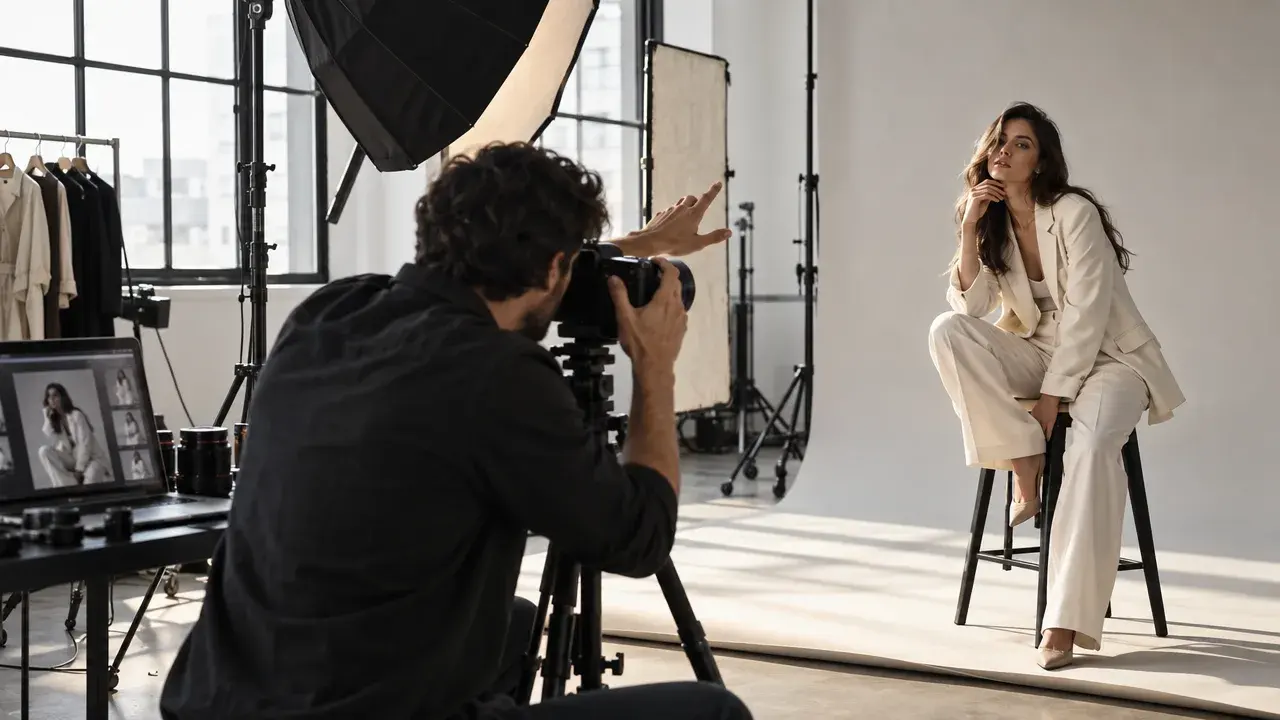
- Set up cameras, lights and backdrops for portraits, events or products
- Adjust camera settings and lighting to get the right shot
- Sort through photos and pick the strongest ones
- Edit and retouch images on a computer with photo software
- Book appointments, keep the books and order supplies
Adapted from O*NET OnLine (27-4021.00), U.S. Department of Labor, used under the CC BY 4.0 license.
Getting in
A strong portfolio and hands-on technical fluency with cameras and editing software substitutes for a degree in almost every hiring or client decision; many working photographers are self-taught or trained through assisting an established photographer.
Degrees that help
Progression
- Second Shooter / Photo Assistant
- Freelance Photographer
- Established Photographer (own studio or specialty niche)
- Studio Owner / Photo Director
Where this can lead


Top Employers
- Self-employment (freelance or own studio) The most common arrangement — weddings, portraits, and small commercial shoots booked directly with clients, with income that varies season to season.
- Media and publishing outlets Staff or contract photojournalism and editorial work; steadier assignments than freelance but narrower creative control over subject matter.
- Corporate and commercial studios In-house product or marketing photography for a single company or agency, trading some creative freedom for a predictable salary.
Networking & job search

- Assisting an established photographer on real shoots, even unpaid at first, teaches the business and technical side no class covers and is how most photographers actually break in.
- Professional Photographers of America (PPA) offers certification and a large member directory that generates referral work between photographers in different specialties.
- Local wedding and event vendor communities (venues, planners, florists) refer clients to each other constantly — building relationships with them is a reliable, low-cost marketing channel.
Example trajectories
Studio art degree → second shooter for a wedding photographer → freelance portrait and event photographer → opened their own studio, 6 years in.