Music Directors & Composers
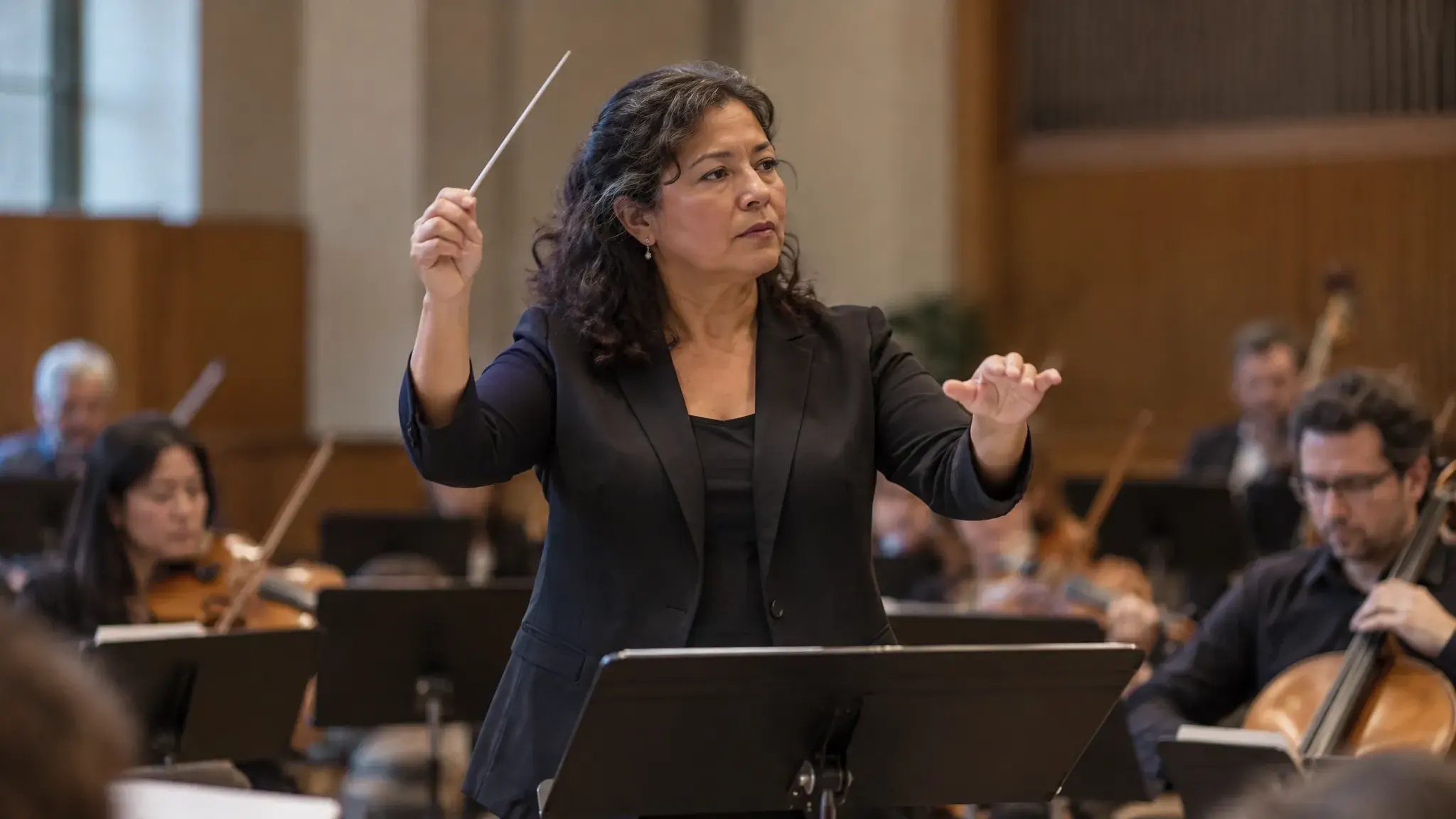
Leads musical ensembles (choirs, orchestras, bands) or writes original music and arrangements for performance, film, or media — combining deep music theory knowledge with the leadership skill of rehearsing and directing other musicians.
Salary
- Entry-level
- $40,000
- Mid-career
- $73,500
- Senior
- $166,000
Source: BLS OEWS, May 2025
Job outlook
- Growth, 2025–35
- +1%
- Slower than average
- Openings each year
- 4,200
- New jobs plus people retiring or moving on
- Jobs in 2025
- 51,100
- +600 by 2035
Source: BLS Employment Projections, 2025–35. Growth for all jobs is +3.5%. See the BLS profile
A day on the job
What people in this job typically spend their time doing.
- Lead rehearsals and performances, guiding tempo, volume and balance
- Study scores and pick music that fits the group's size and skill
- Write original music for performers, films, ads or other media
- Arrange or adapt other people's music for a particular group or style
- Audition performers and schedule rehearsals and concerts
- Handle paperwork such as budgets, contracts and grant applications
Adapted from O*NET OnLine (27-2041.00), U.S. Department of Labor, used under the CC BY 4.0 license.
Getting in
A degree is required for this career.
Recommended degrees
Progression
- Assistant Conductor / Arranger
- Music Director or Composer
- Senior Music Director
- Artistic Director
Where this can lead

Top Employers
- Houses of worship and community arts organizations The most common entry point for music directors — leading a choir or ensemble on a part-time or contract basis while building a reputation.
- Schools and universities Directing school bands, choirs, or orchestras as part of a teaching role, with steadier pay and a defined academic calendar.
- Film, television, and media production companies The primary path for composers writing original scores; project-based work with income tied closely to how many productions are in progress.
Networking & job search

- The American Choral Directors Association (ACDA) and American Composers Forum both run conferences and reading sessions where directors and composers get new work heard and performed.
- Volunteering to direct a community choir, church ensemble, or school music program is the standard way new music directors build a conducting résumé.
- Submitting work to film-scoring competitions and student film projects is a low-barrier way for composers to build a portfolio of produced, not just written, music.
Example trajectories
Priya
Music degree → assistant conductor for a community orchestra → music director at a regional performing arts center, 5 years in.