Geological Technicians
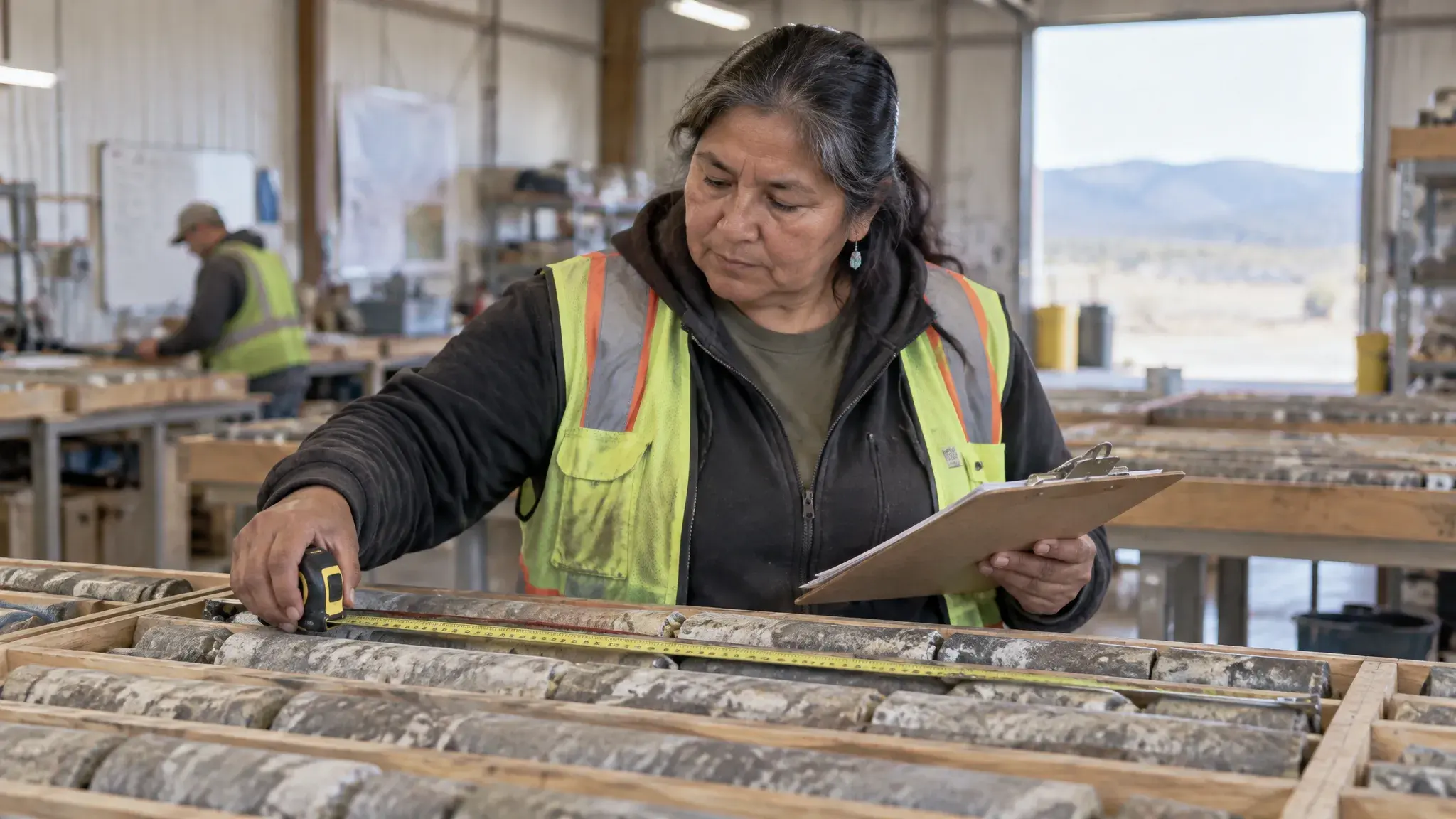
Supports geologists and engineers in the field and lab — collecting rock and soil samples, logging drilling data, maintaining monitoring equipment — hands-on technical work in energy, mining, or environmental consulting that doesn't require a four-year degree.
Salary
- Entry-level
- $33,000
- Mid-career
- $48,500
- Senior
- $92,000
Source: BLS OEWS, May 2025
Job outlook
- Growth, 2025–35
- +2%
- Slower than average
- Openings each year
- 1,400
- New jobs plus people retiring or moving on
- Jobs in 2025
- 10,300
- +200 by 2035
Source: BLS Employment Projections, 2025–35. Growth for all jobs is +3.5%. See the BLS profile
A day on the job
What people in this job typically spend their time doing.
- Collect and prepare rock, soil and fluid samples for testing
- Test samples with lab equipment to find out what they contain
- Set up and run instruments that collect geological data in the field
- Log test results and readings for scientists to review
- Prepare notes, sketches, maps and technical reports
- Adjust or repair testing and field equipment
Adapted from O*NET OnLine (19-4043.00), U.S. Department of Labor, used under the CC BY 4.0 license.
Getting in
A 2-year associate degree in geology, geoscience technology, or a related field is the standard path in, often followed by on-the-job training in specific fieldwork and lab techniques.
Degrees that help
Progression
- Field/Lab Technician
- Geological Technician
- Senior Technician / Field Crew Lead
Where this can lead


Top Employers
- Oilfield and mining service companies Pay the most for technician-level work, often through structured paid training programs that double as a hiring pipeline.
- Environmental consulting firms Sample collection and drilling-log work supporting site assessments — steadier hours than fieldwork tied to extraction schedules.
- State geological surveys Public-sector fieldwork and lab support, generally lower pay than industry but a common route into a full geologist role later on.
Networking & job search

- State geological surveys and environmental consulting firms hire technicians directly out of associate-degree programs, and their internship postings are worth checking regularly.
- The American Geosciences Institute's careers resources list technician-level openings alongside the more commonly advertised geologist roles.
- Oilfield and mining service companies often run their own paid technician training programs, which double as a direct hiring pipeline.
Example trajectories
Associate degree in geoscience technology → field technician logging drilling samples for an environmental consulting firm → senior technician leading a two-person field crew, 4 years in.