Fire Inspectors & Investigators
Inspects buildings for fire code compliance and investigates the causes of fires that do occur, usually after years of experience as a firefighter.
Salary
- Entry-level
- $46,500
- Mid-career
- $76,000
- Senior
- $119,000
Source: BLS OEWS, May 2025
Job outlook
- Growth, 2025–35
- +6%
- Faster than average
- Openings each year
- 1,900
- New jobs plus people retiring or moving on
- Jobs in 2025
- 17,600
- +1,000 by 2035
Source: BLS Employment Projections, 2025–35. Growth for all jobs is +3.5%. See the BLS profile
A day on the job
What people in this job typically spend their time doing.
- Inspect buildings for fire hazards and code violations
- Test fire alarms, sprinklers and other fire protection systems
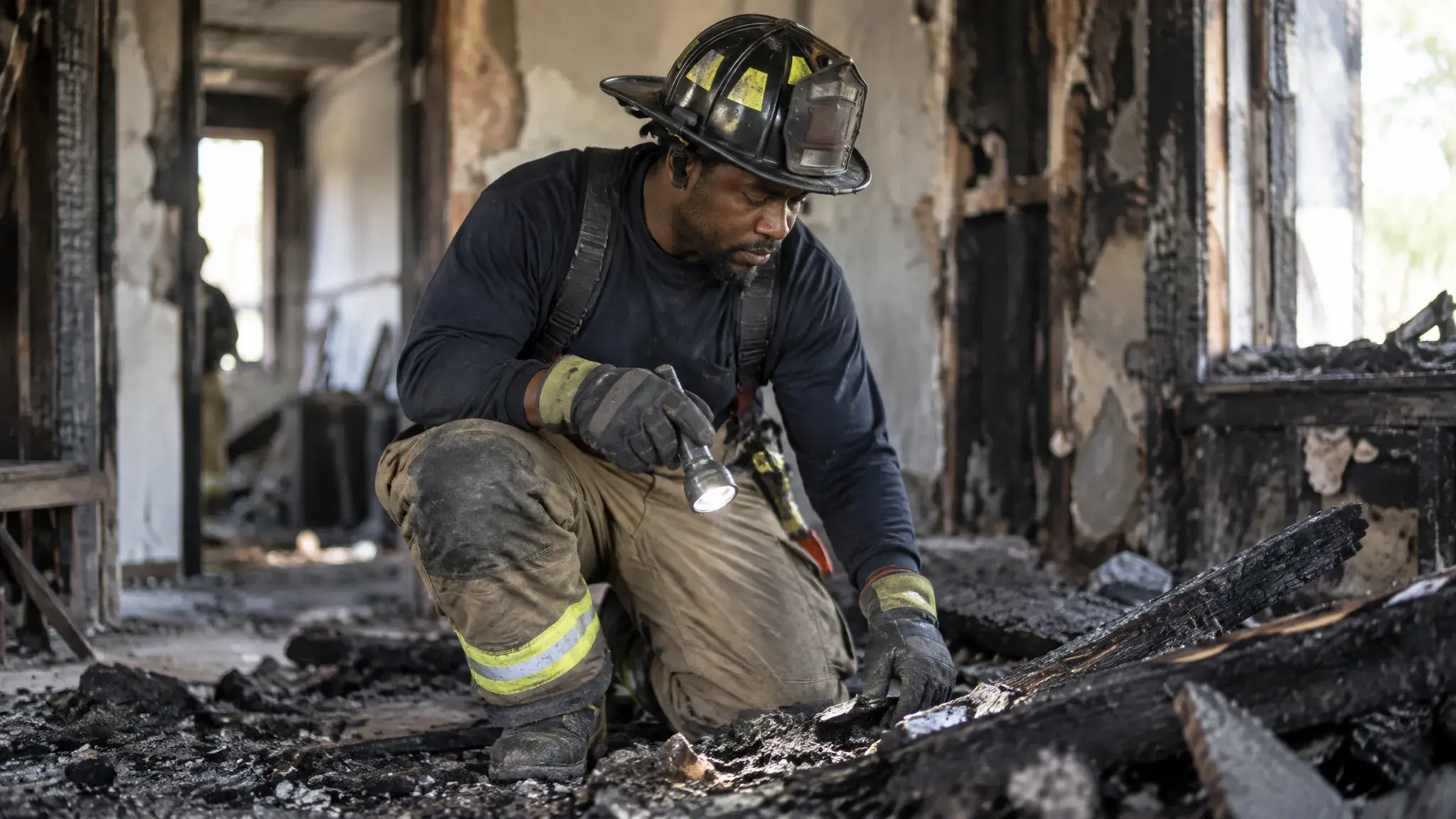
- Examine fire scenes and collect evidence to find the cause
- Photograph damage and interview witnesses and building owners
- Write detailed reports on inspections and investigations
- Explain needed fixes to owners and testify in court when required
Adapted from O*NET OnLine (33-2021.00), U.S. Department of Labor, used under the CC BY 4.0 license.
Getting in
Most fire inspectors and investigators are promoted from the firefighter ranks after gaining field experience, supplementing on-the-job training with fire-science coursework or certification rather than a standalone degree.
Degrees that help
Progression
- Firefighter
- Fire Inspector
- Fire Investigator or Senior Inspector
- Fire Marshal
Where this can lead
Top Employers
- Municipal fire departments Employ most fire inspectors and investigators, usually promoting from within the firefighter ranks.
- State fire marshal offices Enforce state fire codes and investigate fires that cross local jurisdictions.
- Insurance companies and private investigation firms Hire fire investigators to determine the cause of losses for claims and lawsuits.
Networking & job search

- Tell your department leadership early that you're interested in prevention or investigation work; inspector slots are usually filled from within.
- Earn inspector certifications based on National Fire Protection Association (NFPA) standards; many states and departments require them for promotion.
- The International Association of Arson Investigators offers training and the Certified Fire Investigator credential, and its chapters connect you with investigators across agencies.
Example trajectories
Fire academy → firefighter for 7 years → fire inspector → fire investigator working with police on arson cases.
Fire science associate degree → firefighter → fire inspector → deputy fire marshal for a mid-size city, 14 years in.