Bartenders
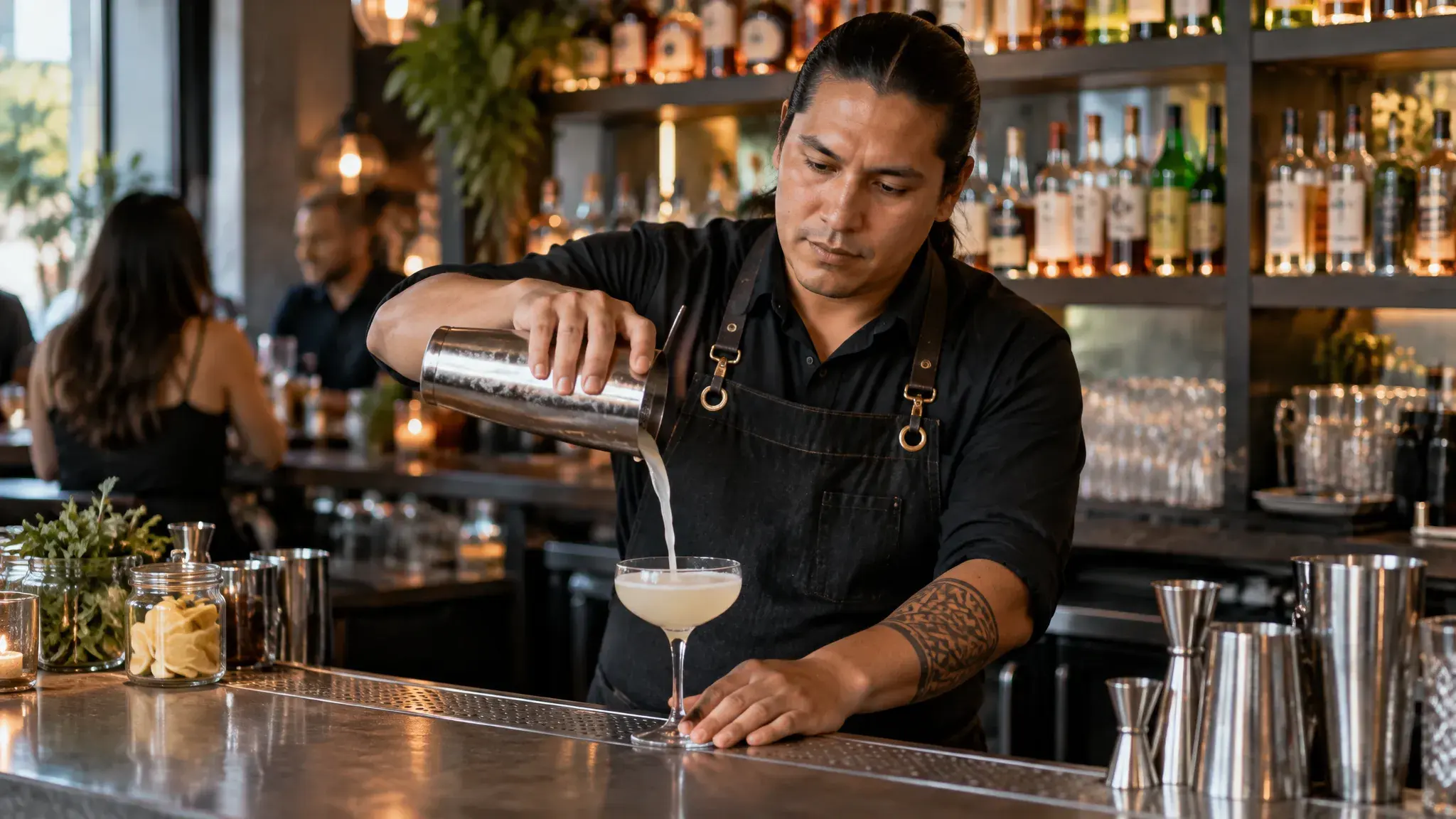
Mixes and serves drinks at a bar, restaurant, or event, building rapport with regulars while managing a fast-paced service line and following alcohol-service regulations.
Salary
- Entry-level
- $20,000
- Mid-career
- $34,500
- Senior
- $74,000
Source: BLS OEWS, May 2025
Job outlook
- Growth, 2025–35
- +5%
- Faster than average
- Openings each year
- 121,200
- New jobs plus people retiring or moving on
- Jobs in 2025
- 762,600
- +37,900 by 2035
Source: BLS Employment Projections, 2025–35. Growth for all jobs is +3.5%. See the BLS profile
A day on the job
What people in this job typically spend their time doing.
- Take drink orders from customers and servers
- Mix cocktails and pour wine and beer
- Check ID to make sure customers are old enough to drink
- Watch for customers who have had too much and stop serving them
- Collect payment and balance the cash register at the end of a shift
- Stock the bar and clean glasses, tools, and work areas
Adapted from O*NET OnLine (35-3011.00), U.S. Department of Labor, used under the CC BY 4.0 license.
Getting in
Most bartenders learn through on-the-job training or a short bartending school program rather than a college degree, though a state-required alcohol-service certification is often needed.
Progression
- Barback
- Bartender
- Head Bartender or Bar Manager
- Beverage Director or Bar Owner
Where this can lead

Top Employers
- Restaurants and bars Pay plus tips, mostly evenings and weekends.
- Hotels and resorts Hotel bars and event bars.
- Event and catering companies Weddings and private parties.
Networking & job search

- Starting as a barback is the most common way in — learn by watching experienced bartenders.
- Many states require responsible alcohol service training, such as TIPS.
- Cocktail competitions and bar industry events help you meet bar owners and brands.
Example trajectories
Server → barback → bartender at a cocktail bar → head bartender → beverage director.
Bartender → bar manager → opened a neighborhood bar.