Automotive Body & Glass Repairers
Repairs and repaints damaged vehicle bodies and replaces windshields and auto glass, restoring cars to their pre-collision condition.
Salary
- Entry-level
- $37,000
- Mid-career
- $52,500
- Senior
- $88,000
Source: BLS OEWS, May 2025
Job outlook
- Growth, 2025–35
- +4%
- As fast as average
- Openings each year
- 13,900
- New jobs plus people retiring or moving on
- Jobs in 2025
- 185,800
- +7,400 by 2035
Source: BLS Employment Projections, 2025–35. Growth for all jobs is +3.5%. See the BLS profile
A day on the job
What people in this job typically spend their time doing.
- Review damage reports and estimate repair costs
- Straighten bent frames using hydraulic alignment machines
- Hammer out dents and fill small ones with plastic filler
- Cut away damaged panels and weld in replacement parts
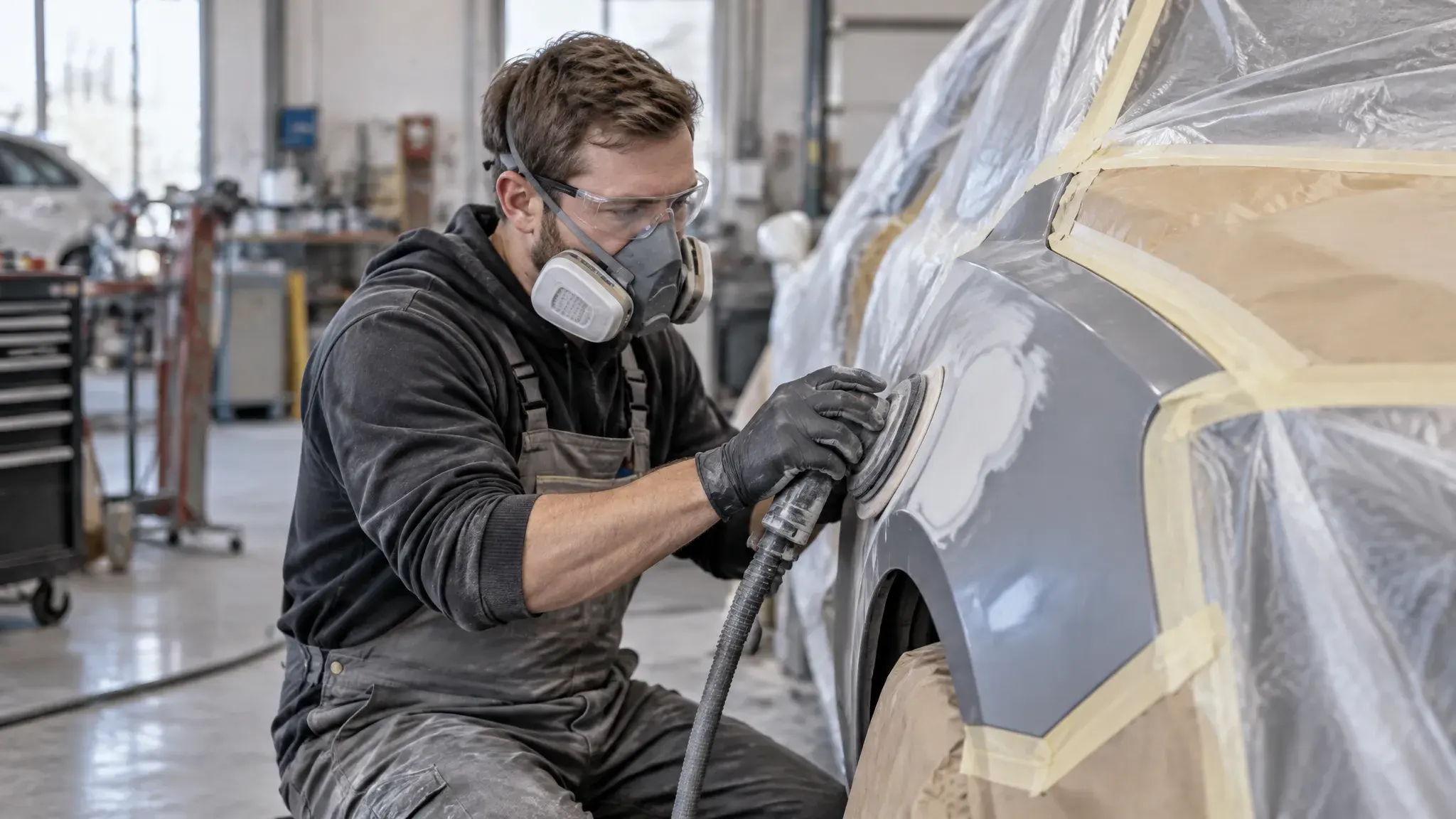
- Sand, mask, prime, and paint repaired areas
- Inspect finished cars for fit, function, and paint quality
Adapted from O*NET OnLine (49-3021.00), U.S. Department of Labor, used under the CC BY 4.0 license.
Getting in
Most auto body repairers complete a technical school collision repair program or learn through an employer apprenticeship rather than a college degree.
Progression
- Body Shop Helper or Apprentice
- Auto Body Technician or Glass Installer
- I-CAR Certified or Lead Technician
- Shop Manager, Estimator, or Body Shop Owner
Where this can lead
Top Employers
- Collision repair chains (e.g. Caliber, Gerber) Training and steady work from insurers.
- Car dealerships In-house body shops.
- Auto glass companies (e.g. Safelite) Repair and replace windshields.
Networking & job search

- I-CAR training is the industry standard and many shops pay for it.
- Collision shops work closely with insurers — estimators often move into insurance appraiser jobs.
- Show photos of repairs you've done when applying.
Example trajectories
Vic
Body shop helper → collision technician → I-CAR platinum → shop manager.
Ella
Auto glass installer → collision estimator → insurance auto appraiser.