Anthropologists & Archeologists
Studies human cultures and their material remains through fieldwork, excavation, and comparative research, producing findings used by universities, museums, and government agencies.
Salary
- Entry-level
- $49,000
- Mid-career
- $71,000
- Senior
- $108,000
Source: BLS OEWS, May 2025
Job outlook
- Growth, 2025–35
- +6%
- Faster than average
- Openings each year
- 800
- New jobs plus people retiring or moving on
- Jobs in 2025
- 10,200
- +600 by 2035
Source: BLS Employment Projections, 2025–35. Growth for all jobs is +3.5%. See the BLS profile
A day on the job
What people in this job typically spend their time doing.
- Gather information through observation, interviews and old records
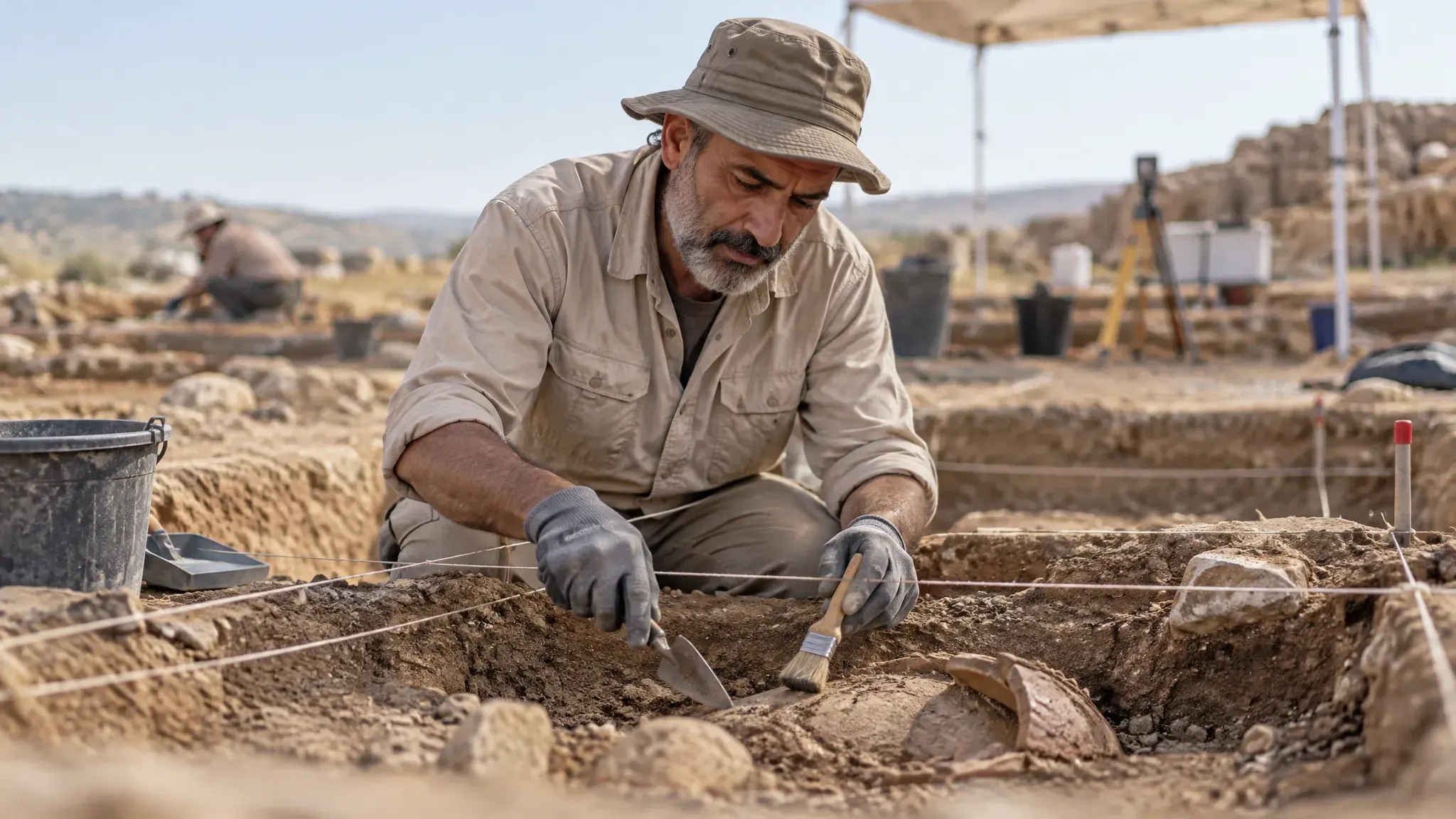
- Survey and dig at sites of past cultures, recording where each find is made
- Study, clean and date artifacts and remains to learn about ancient peoples
- Write grant proposals to fund research
- Write up findings and present them to experts and the public
- Teach or mentor students and train field crews and volunteers
Adapted from O*NET OnLine (19-3091.00), U.S. Department of Labor, used under the CC BY 4.0 license.
Getting in
A degree is required for this career.
Recommended degrees
Progression
- Field Technician or Research Assistant
- Crew Chief or Staff Anthropologist (often with a master's)
- Project Archaeologist or Principal Investigator
- Program Director, Museum Curator, or Professor
Where this can lead


Top Employers
- Cultural resource management firms The largest employer of archaeologists, surveying sites before construction projects to meet federal and state laws.
- Federal and state agencies (e.g. National Park Service, Bureau of Land Management) Manage archaeological sites and cultural resources on public land.
- Universities and museums Research, teaching, and collections work; academic jobs usually need a PhD.
Networking & job search

- Attend an archaeological field school; it's the standard requirement for field tech jobs in cultural resource management.
- The Society for American Archaeology and the American Anthropological Association hold annual meetings where students meet employers and advisors.
- Applied anthropologists increasingly work in user research and design — present your fieldwork skills in those terms if you're aiming at industry.
Example trajectories
Anthropology degree → field school → seasonal field technician for a cultural resource management firm → master's → project archaeologist, 7 years in.
Cultural anthropology master's → ethnographic researcher at a design firm → UX research lead at a tech company.